Ng Yan Ze
Ending 2024 inspired by CN’s record breaking big year, I spent the first few days of 2025 pondering if I was up for the same challenge. A big year is a personal challenge to identify and tick as many species of birds as possible by sight or sound within a single calendar year. With three and a half years of experience birdwatching, I felt ready in terms of knowledge and skills. However, with only the weekends to work with, I knew I had limited time to spend in the field.
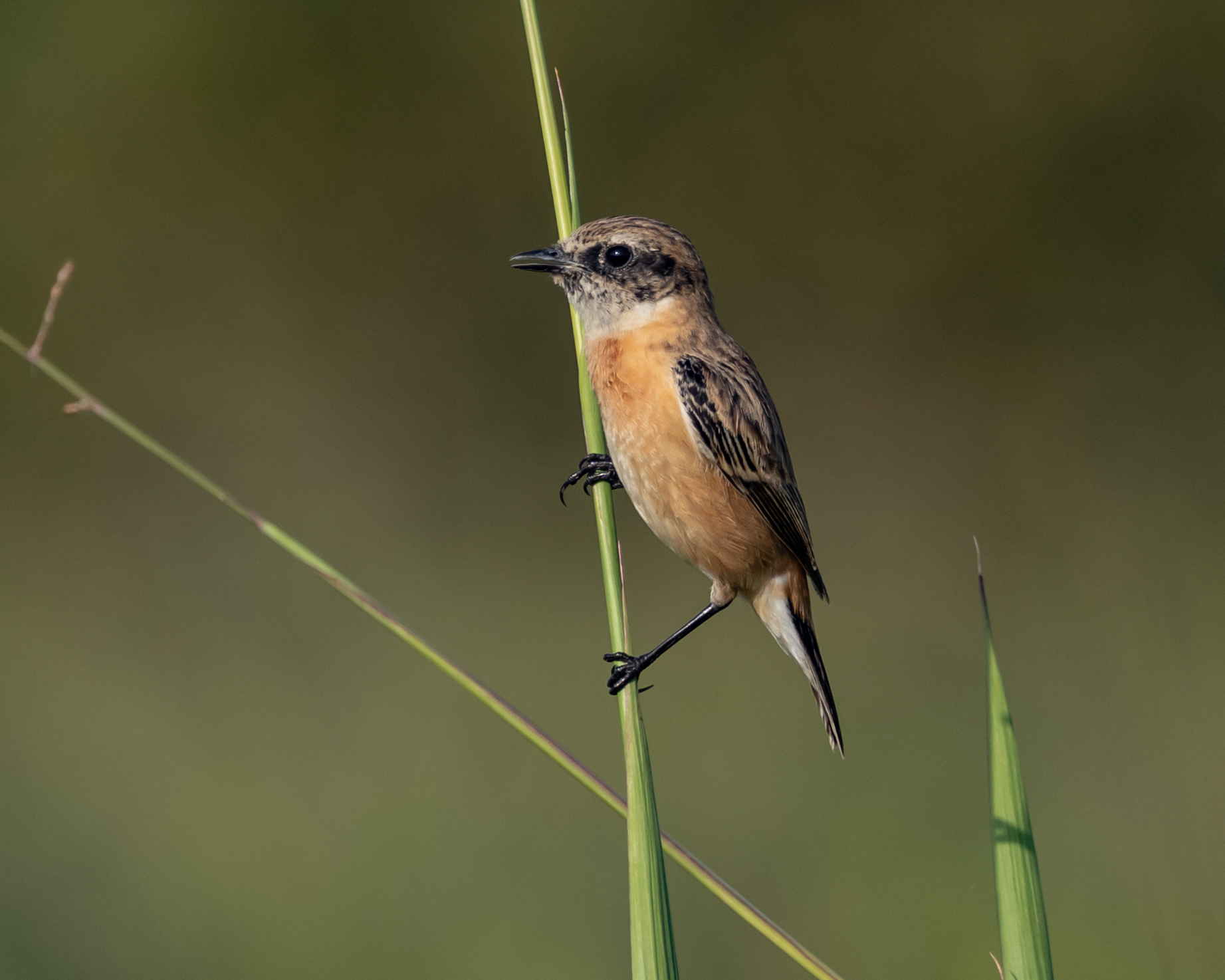
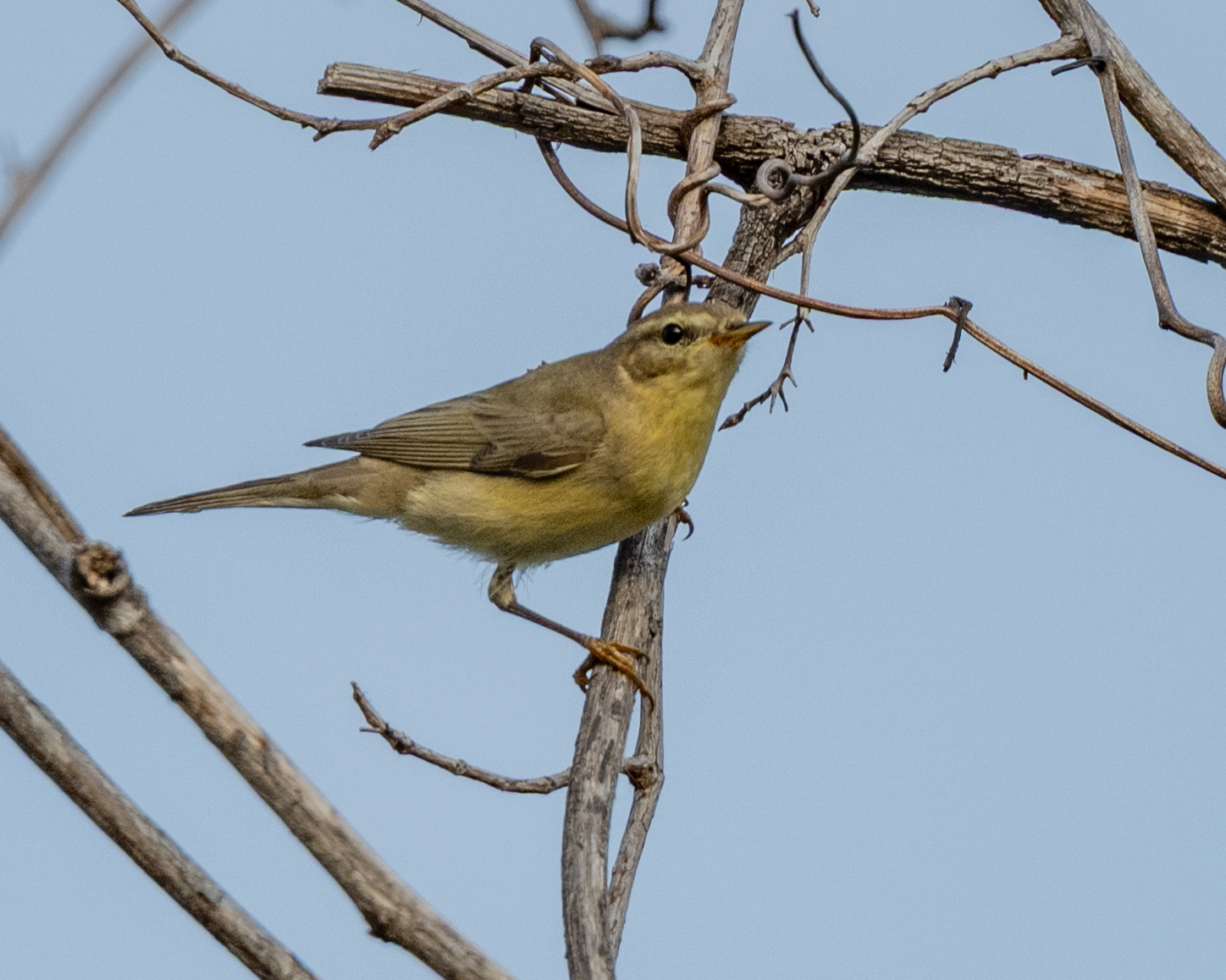
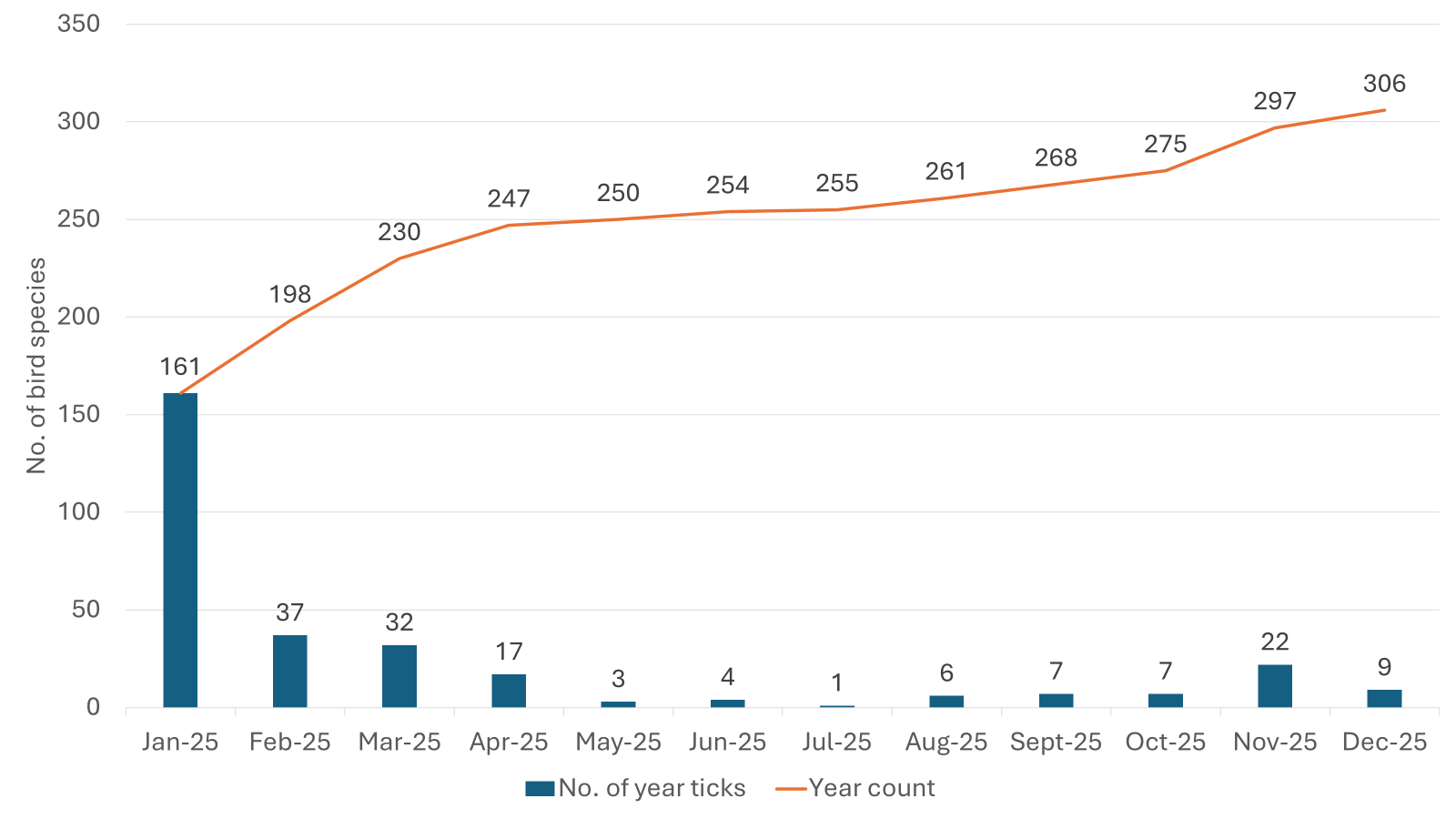
Undecided, I started January visiting the Siberian Stonechat and Sakhalin Leaf Warbler that were still wintering at Pasir Ris Farmway and West Coast Park respectively. In the second half of January, I managed to see the Rosy Starling that had kindly stayed 11 days after it was first sighted at Tuas South Way. This was also when the influx of Asian Openbills started and lasted till today, which was previously relatively rare here. I ended January with a visit to Chek Jawa Wetlands which rewarded me with the Black-tailed Godwit, Great Knot and Sanderling in a single trip. With a great start to the year, I decided to embark on a “Weekend Big Year” with a conservative target of 280 species.
By the half year mark, I had managed to obtain 254 species. At that point, I was unsure if the much coveted target of 300 was a possibility. However, challenges are meant to be conquered, and I decided to aim higher towards 300.
As 2025 came to a close, I managed to obtain a final count of 306 species, which was 94.4% of all species seen in 2025 according to eBird.
I believe many birdwatchers would have considered doing a big year and wanted to achieve the desired target of 300 species, but felt that it would not be possible with limited time to spend in the field. I myself did not believe that it was possible, until I crossed the 300 species mark on 11 December 2025. While it indeed was a tough challenge, I would like to share some learnings and tips from my own journey.
Birdwatching involves a lot of luck.
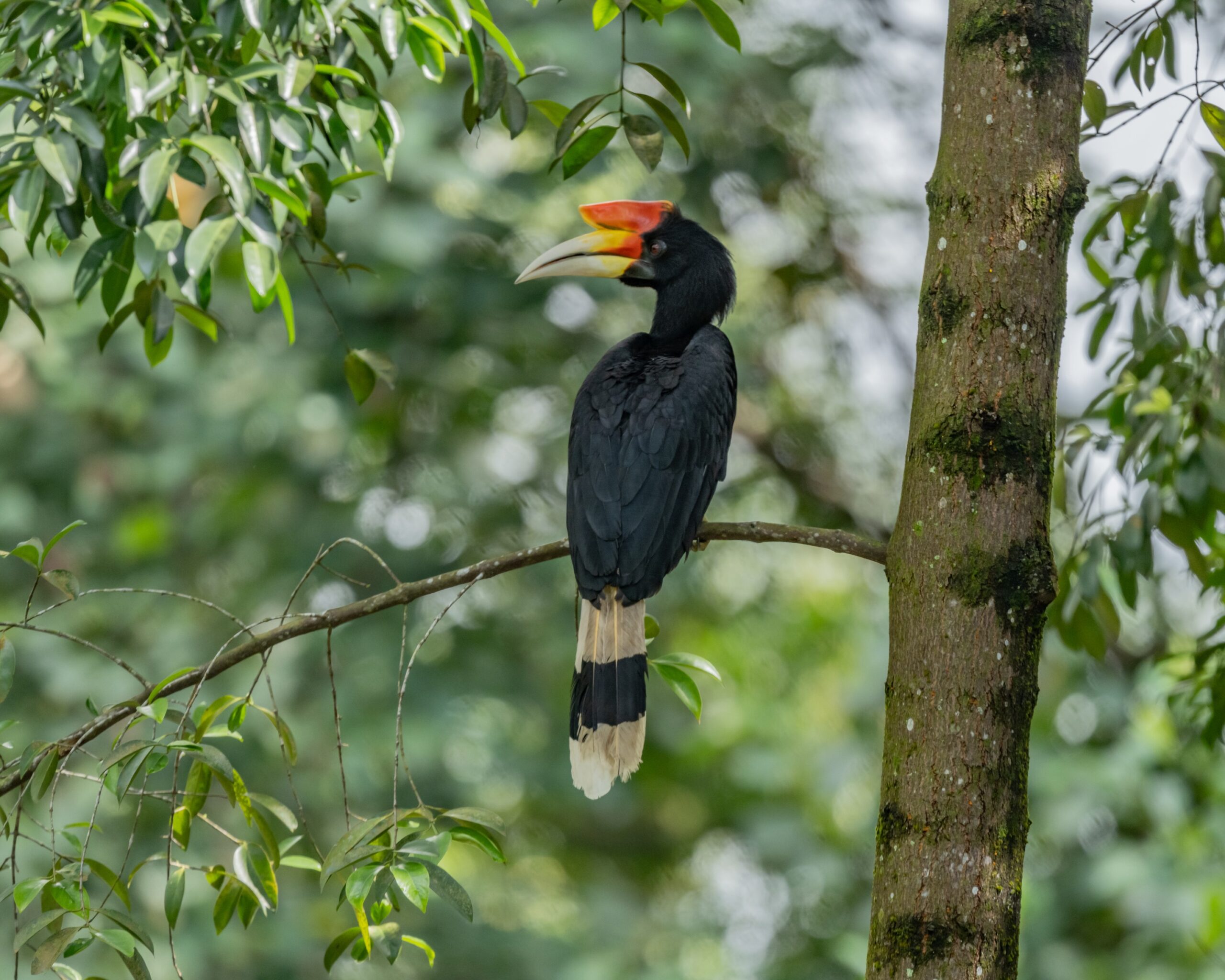
You may have heard this a lot, but luck is much needed for a successful big year. You have to hope for a year filled with many migrants, vagrants and visitors that also stay long enough for the weekends. 2025 was a pretty good year with four first records for Singapore, such as the Rhinoceros Hornbill and Willow Warbler.
Being in the right place at the right time can also bring along a few surprises. While looking for the Blue-and-white Flycatcher at Dairy Farm Nature Park, Keison found a much rarer Narcissus Flycatcher, which was the 6th record in Singapore.
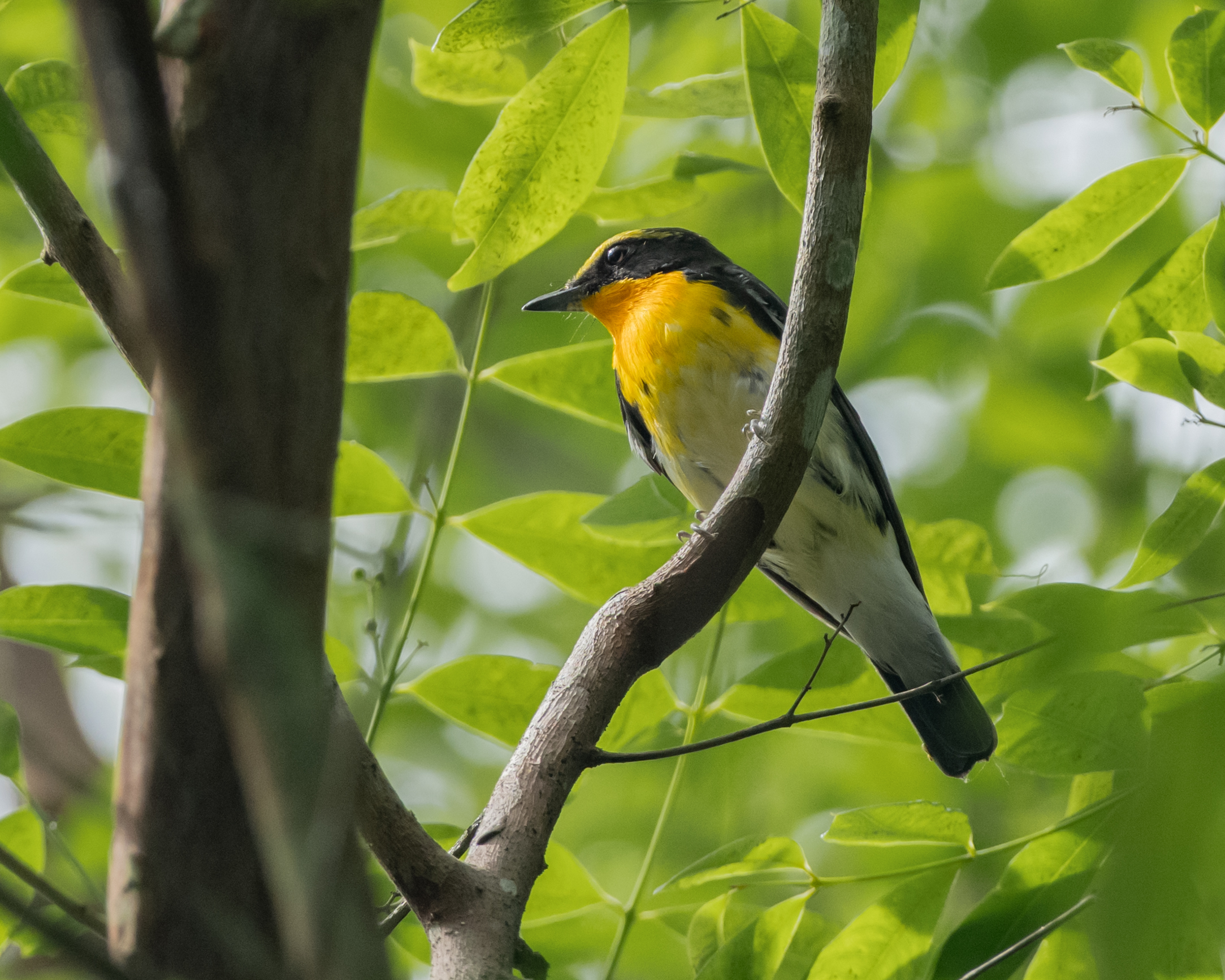
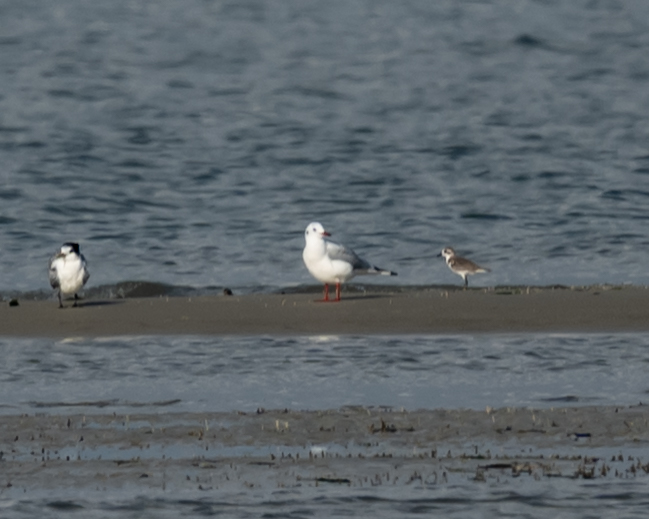
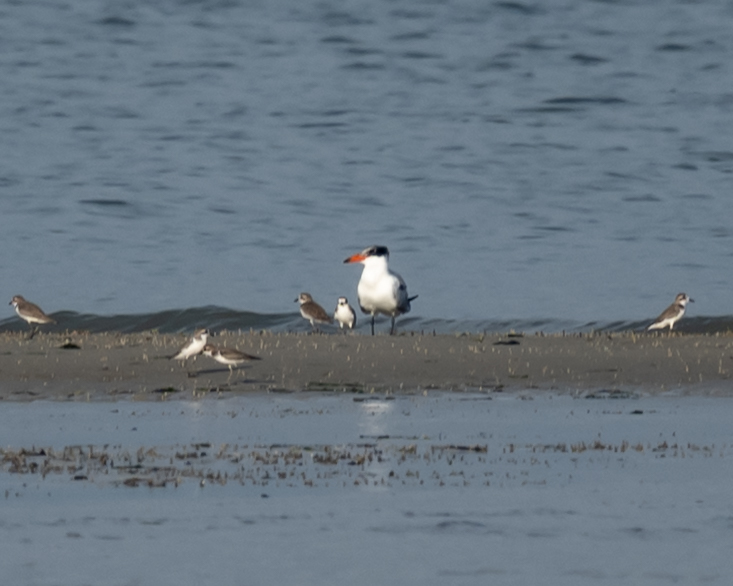
However, the most memorable example had to be finding Singapore’s 6th record of the Caspian Tern at Chek Jawa Wetlands. Believe it or not, I was actually there looking for a Greater Sand Plover. For two hours of toasting in the relentless sun, many rounds of scanning the distant sandbars yielded nothing special. Out of nowhere, I spotted a Black-headed Gull which was also a nice year tick to find. Motivated by the discovery, I made yet another scan, when a large tern appeared in my viewfinder. The red bill made me realise its identity immediately, but it took a while before I believed what I was seeing.
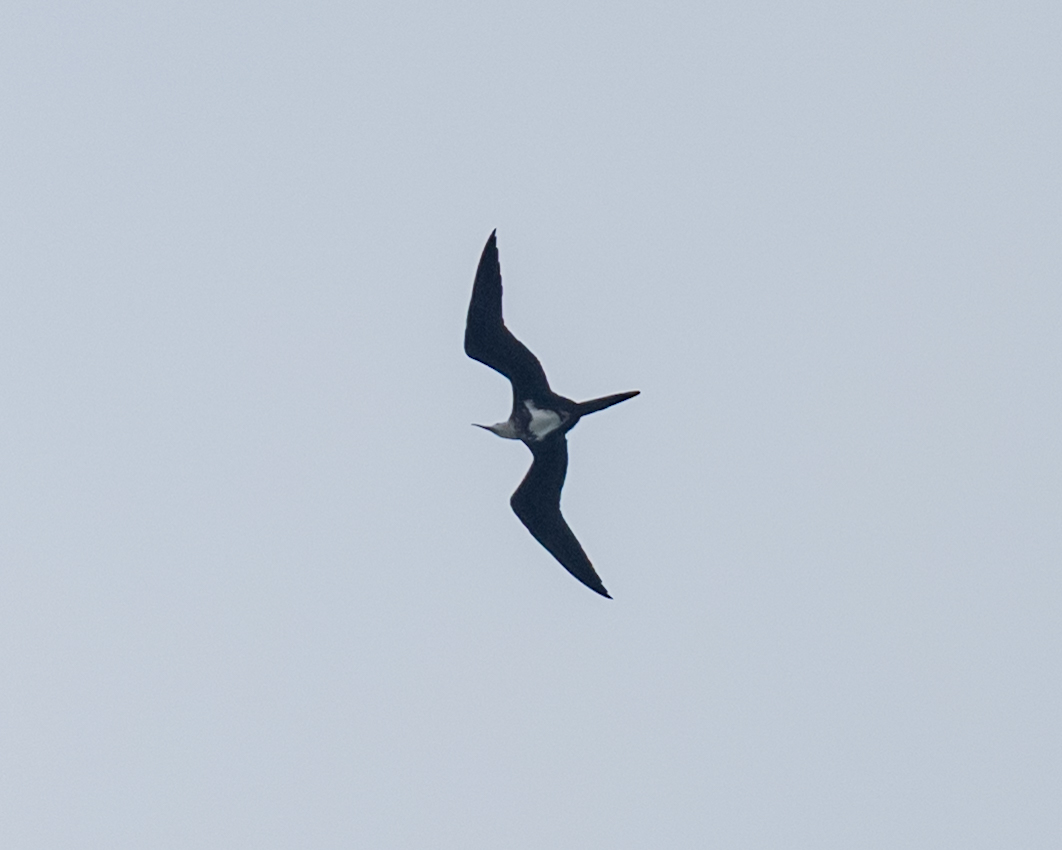
A week later, I was lucky to find Singapore’s 8th record of Red-billed Starling at Marina East Drive while cycling by. Another week later, I happened to be at Mount Faber for Singapore’s 17th record of Lesser Frigatebird spotted by Art, where I was hoping for late arriving raptors after a rather disappointing season. Those 3 weeks had to be the luckiest part of my big year.
Luck is also needed for the birds that are difficult to observe, and you can only hope that they show up when you are there. The most difficult bird for me had to be the Hair-crested Drongo, which was a challenge for many and took me 4 tries before I finally saw it. It was fortunate for me just to see it as it was not sighted again after I had seen it.
Maximise your chances of seeing migrants, vagrants or visitors based on the Bird Society of Singapore’s migrant bar charts and Singapore Bird Database records.
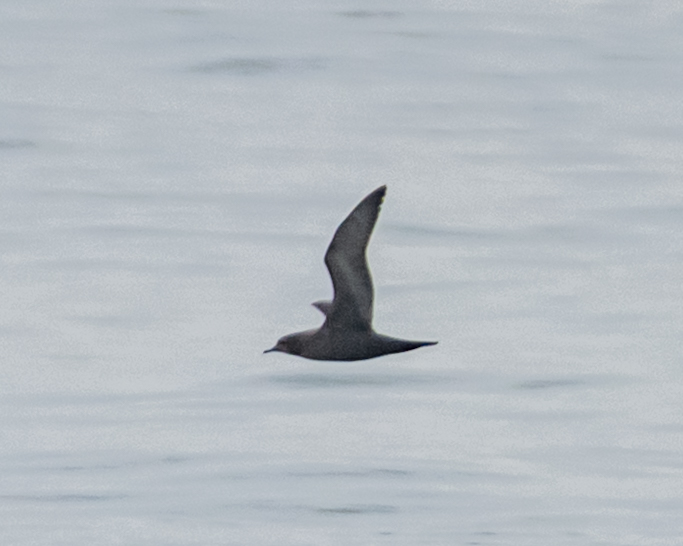
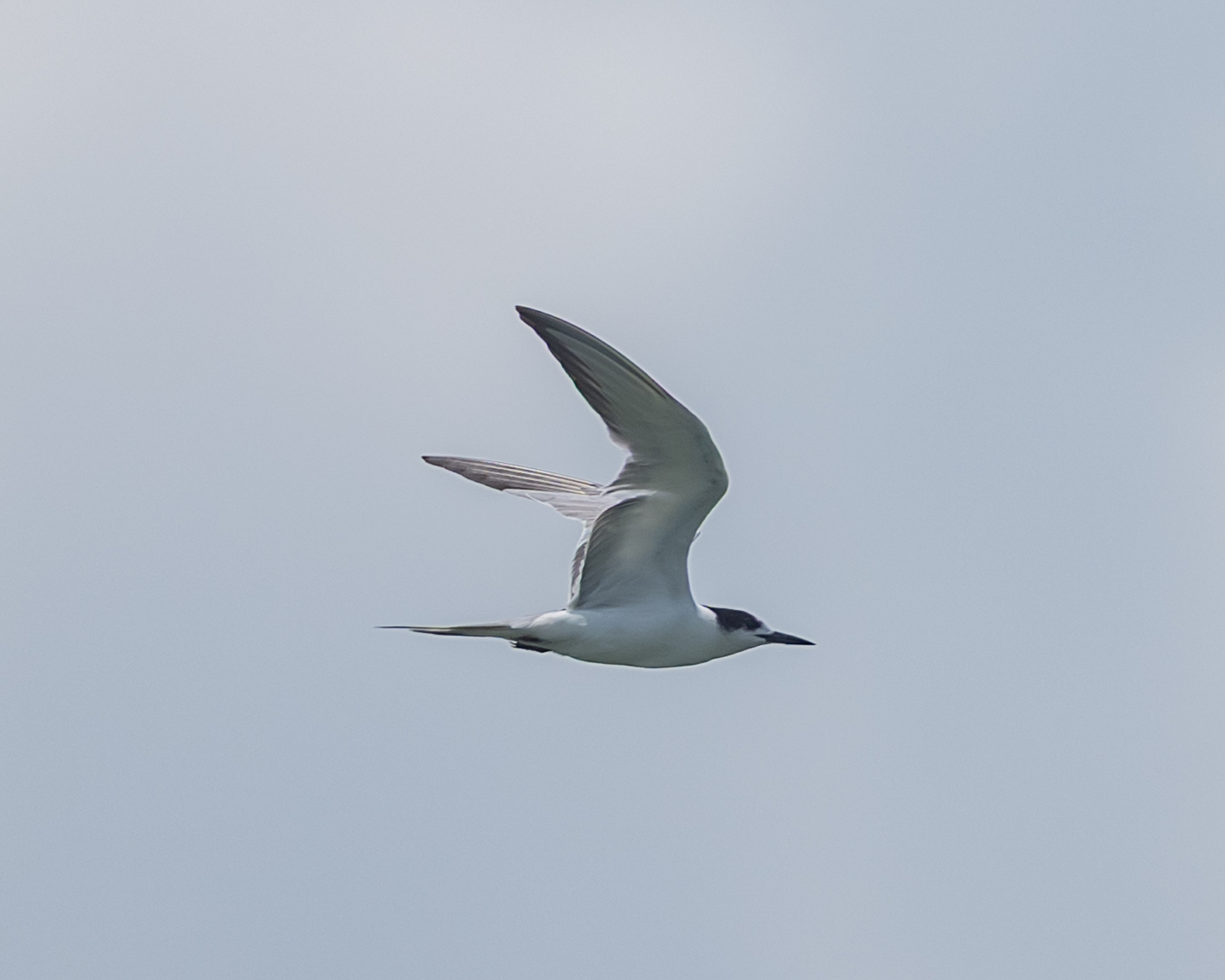
While birdwatching does involve a lot of luck, you also have to create your own luck by being at places where target species are most likely to be seen at that point of the year. Statistics don’t lie, so the migrant bar charts are largely accurate at telling us when certain species arrive in Singapore. An example would be knowing when to go for pelagic trips in order to see species such as the Short-tailed Shearwater, which is only seen in late April and May, or the Common Tern, which is mainly seen in September and October.
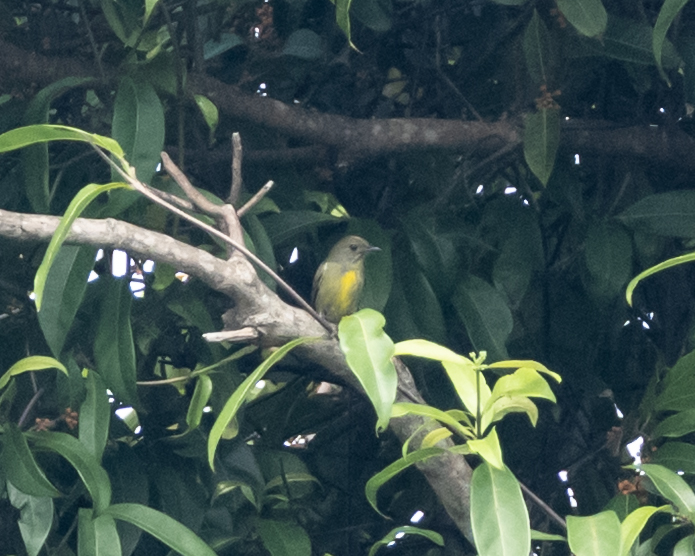
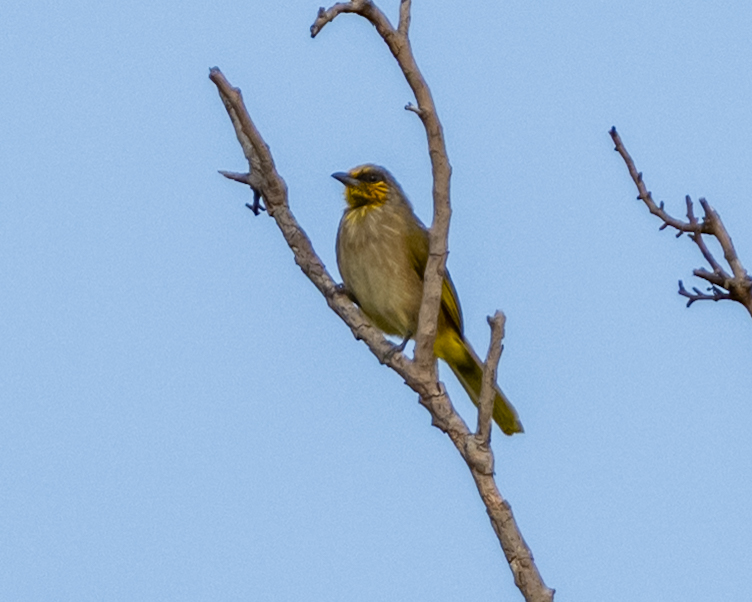
The records from the Singapore Bird Database are also very helpful in telling you the places and time of the year that offer higher chances of seeing certain species. One example would be visiting Chek Jawa Wetlands in April and May when visitors from Malaysia tend to show up, which you can find out more in this article on Chek Jawa and the Patagonia picnic table effect. From 2025’s picnic, I was able to find the Cinereous Bulbul, Crimson-breasted Flowerpecker, Ruby-cheeked Sunbird and Stripe-throated Bulbul.
Maximise your sources of information on sightings.
Having more sources allows you to find out more firsthand information on sightings quickly and gives you higher chances to follow up on sightings. This would mean joining groups of various social media platforms such as Facebook, Telegram and WhatsApp. A very helpful tool to subscribe to would be eBird alerts, which is covered in this article on the Best Practices on eBird.
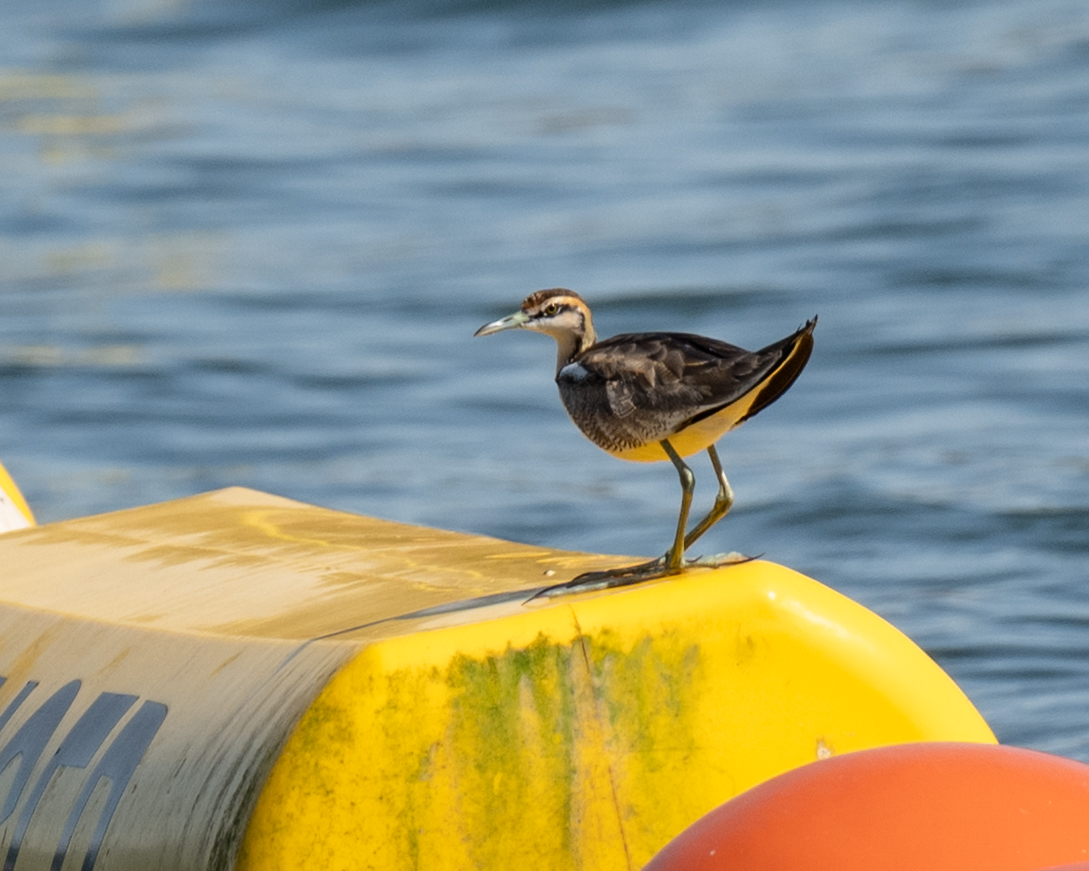
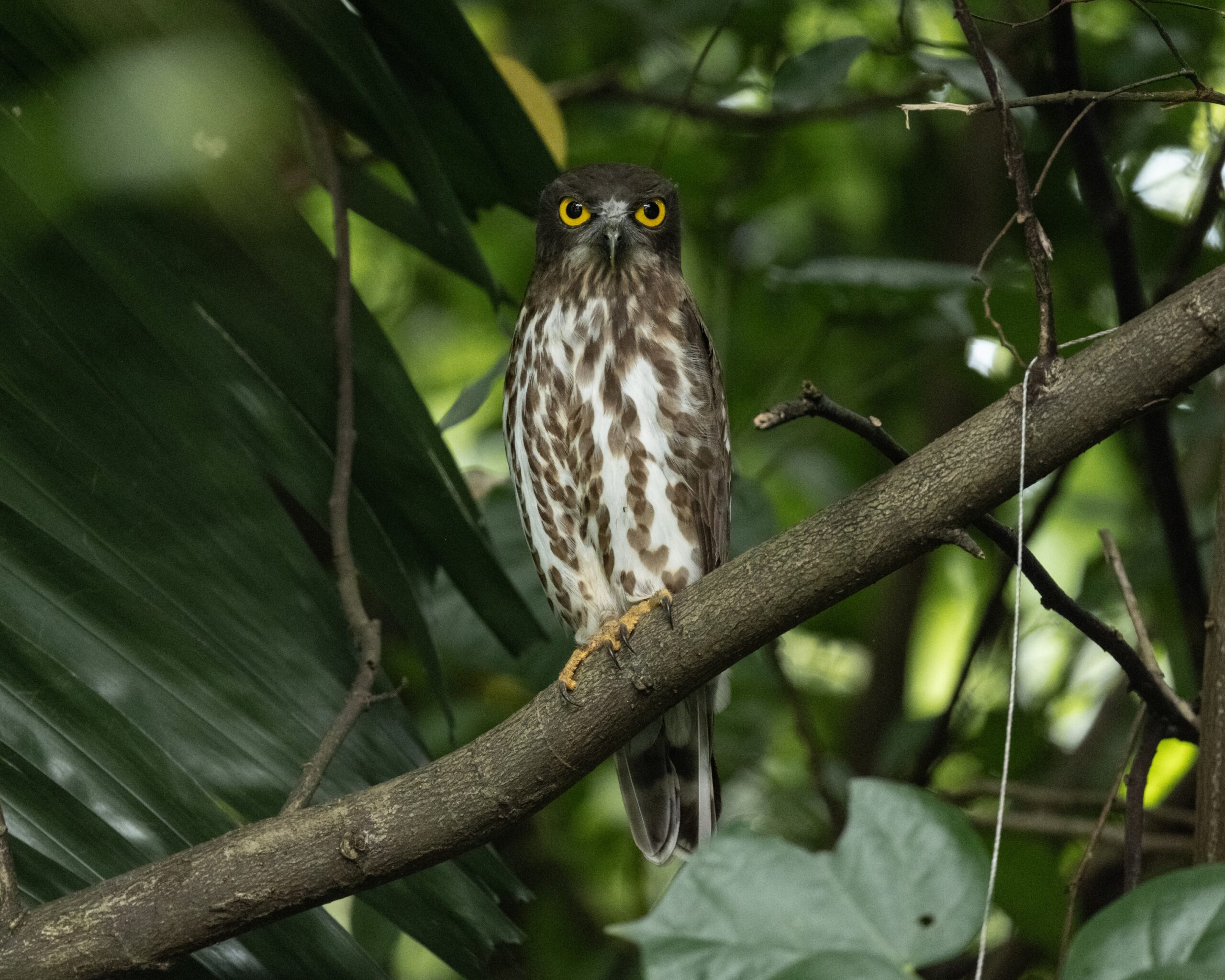
Prompt reports from the field provided me with some valuable ticks, such as the Pheasant-tailed Jacana reported by Francis at Lorong Halus Wetlands and the Northern Boobook reported by James at West Coast Park.
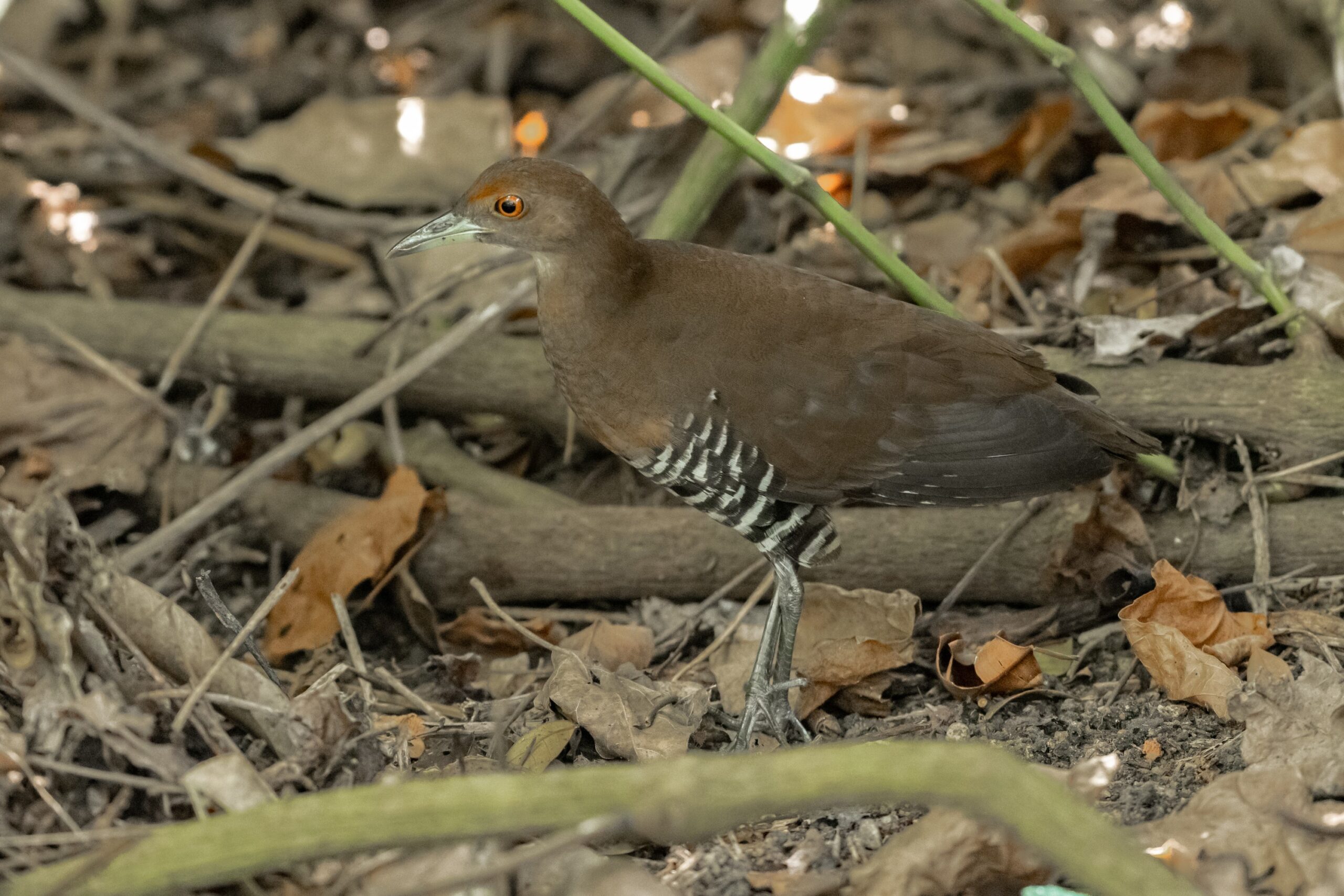
Another example was the Slaty-legged Crake, which a group of Taiwanese birdwatchers had reported at Pasir Ris Park. While they had a photo that was inconclusive in identifying the bird, they were sure about the identification as it is a common bird in Taiwan and had also heard its call. A day later, I checked the location and was glad to find that it indeed was the correct bird.
Make as many friends as possible.
A big year is a community effort, so try to know as many people as possible. Whether it is providing advice from their own big year experience, relaying information or a word of encouragement, they will all contribute to your journey.
The most important thing is to have fun.
Ultimately, the most memorable part of my big year was not the final count, but the journey in getting there. With so much luck involved, it is inevitable to miss out on certain birds. Some of the more memorable regrets were missing out on the Scarlet Minivet found by Kaeden when I should have been there to try for the Hair-crested Drongo. I also missed out on the Red Knot at Chek Jawa Wetlands thinking that it was not twitchable when it was, and that had to be one of the biggest regrets in my big year. While you lose some, you will gain some, and it is the surprises that will be truly unforgettable. A target helps you to stay motivated, but you should not feel too disappointed if you fall short. After all, there are many factors that are out of your control.
Since a big year is very data-based, I also found the statistical aspect of my big year interesting. January was definitely the busiest month, having to follow up on all of the migrants, vagrants and visitors that are still hanging around. February and March were still busy months with migrants heading home back to the North, before it gets a little less busy in April as the migratory activity gradually decreases. May, June and July are relatively quiet months with very few targets. Migratory activity slowly builds up again in August, September and October before it peaks in November, coinciding with the period of raptor migration. A few late migrants in December are the icing on a cake for a nice end to the year.
All in all, I had a ton of fun in my big year attempt and hope more birdwatchers give it a shot. If you are thinking of doing one, I hope what I shared from my experience would help you in your journey.
I also would like to take the opportunity to thank the people who helped me in my big year in one way or another: Ah Heng, Alan, Art, Brad, Chong Yang, CN, Dylan, James, Jared, Jen Wei, Francis, JJ, Kaeden, Keison, Koh, Oliver, Raghav, Ramesh, Swee Peng, Tony, Wai Heng, Wunson, and Yuh Woei.